
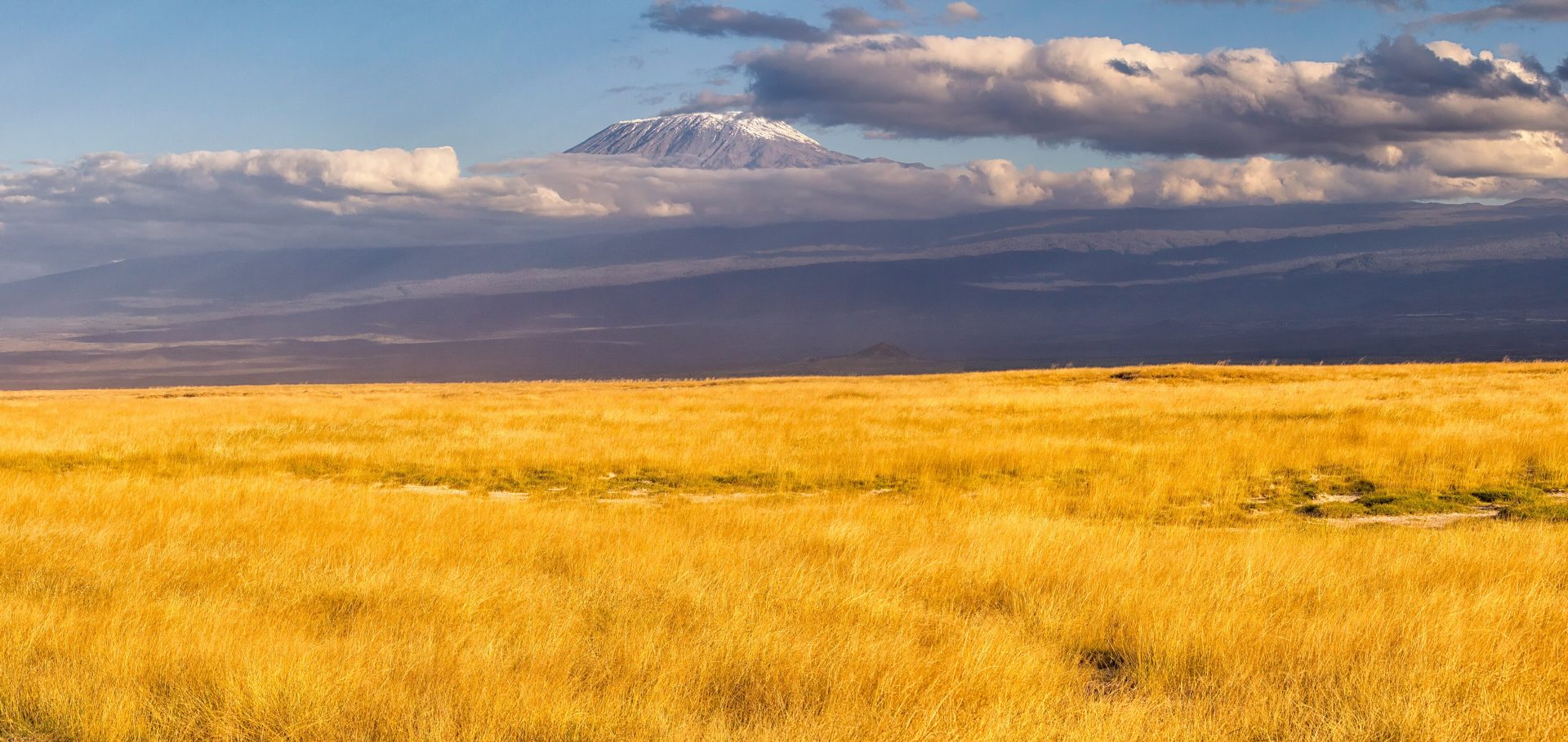
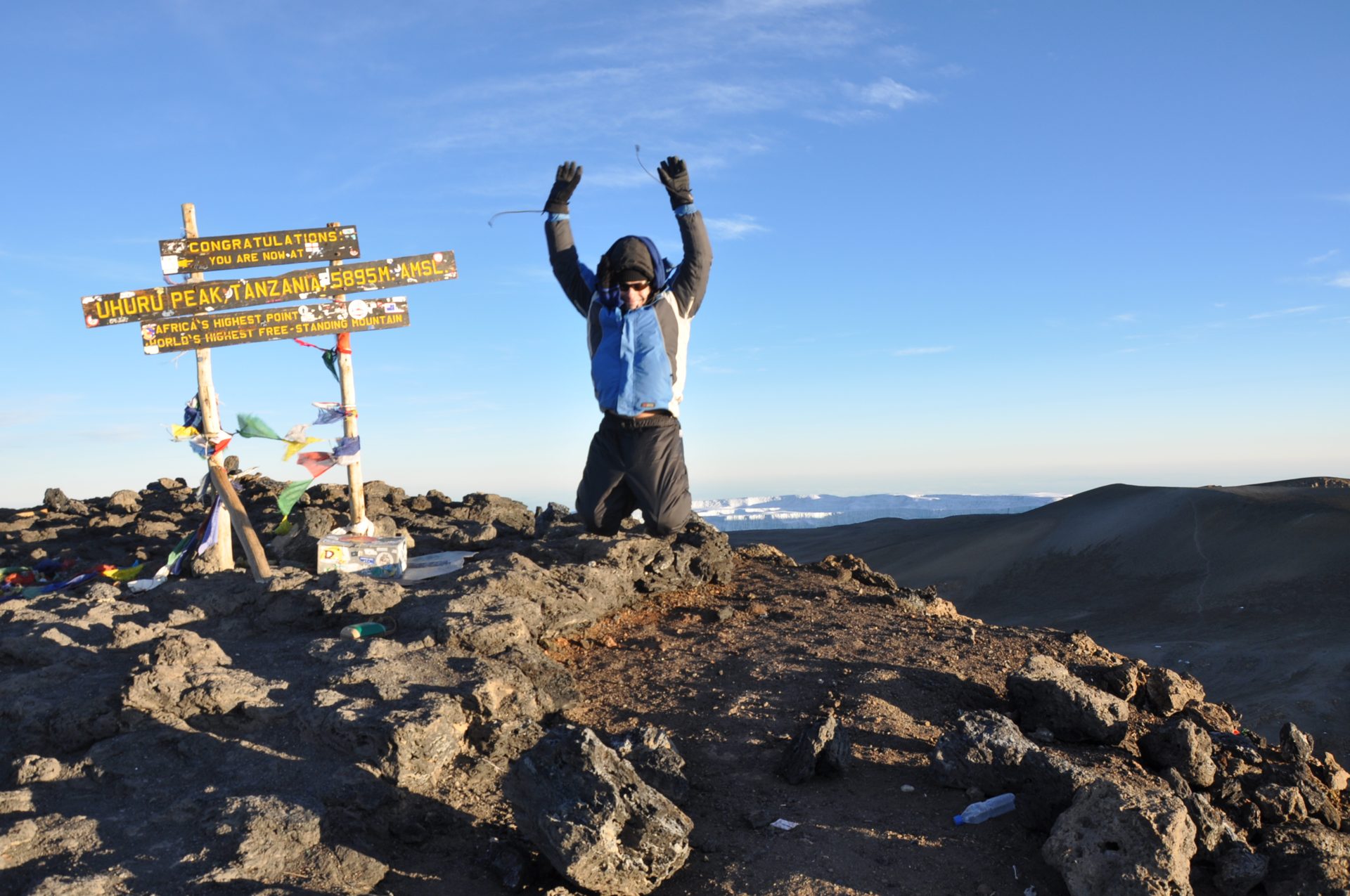
Uhuru Peak, 5,895 metres.
No ropes, no technical climbing - just a long walk through five climate zones to the roof of Africa. What decides success is pace, days on the mountain and the people around you.
- Summit
- 5,895 m / 19,341 ft
- Days needed
- 7 - 9 recommended
- Best months
- Jan - Mar, Jun - Oct
- Gateway
- Moshi & Arusha
Longer is better. Almost always.
Altitude, not fitness, is what turns most people back. Every extra day gives your body time to adjust.
Our default recommendation is Lemosho over eight days: quiet first days through rainforest, a long acclimatisation profile across the Shira Plateau and the beautiful southern circuit. If you'd rather avoid crowds entirely, the Northern Circuit is the longest and most remote. Machame suits strong walkers short on time; Rongai is drier and gentler for the rainy months.
We don't sell five-day climbs. The summit success rate on short itineraries is low and the risk of altitude illness is high.
| Route | Days | Challenge | From | |
|---|---|---|---|---|
| Mount Meru Climb, 4 Days Wildlife, mountain huts and a knife-edge summit ridge facing Kilimanjaro. |
4 |
Challenging
|
US$1,190 | Details |
| Kilimanjaro: Machame Route, 7 Days The 'whiskey route': varied, scenic and popular, with a good climb-high, sleep-low … |
7 |
Challenging
|
US$2,590 | Details |
| Kilimanjaro: Rongai Route, 7 Days The gentle northern approach - drier, quieter and a good choice in … |
7 |
Moderate
|
US$2,690 | Details |
| Kilimanjaro: Lemosho Route, 8 Days Our recommended route: quiet forest, the Shira Plateau and an excellent acclimatisation … |
8 |
Challenging
|
US$3,150 | Details |
| Kilimanjaro: Northern Circuit, 9 Days The longest, quietest route on the mountain, with the best acclimatisation of … |
9 |
Challenging
|
US$3,590 | Details |
Prices per person for two climbers, including park fees, crew, meals, tents and two hotel nights. Bigger groups pay less per person.
How we keep you safe
Twice-daily health checks
Guides record oxygen saturation, pulse and how you feel every morning and evening, and act on the trend.
Climb high, sleep low
Itineraries include acclimatisation walks and a slow, steady pace. 'Pole pole' - slowly, slowly - is the rule.
Oxygen and first aid
Bottled oxygen, a full first-aid kit and a clear evacuation plan with the park rescue team on every climb.
Guides make the call
If someone needs to descend, they go down with a guide. No summit is worth a serious illness.
A crew that's treated properly
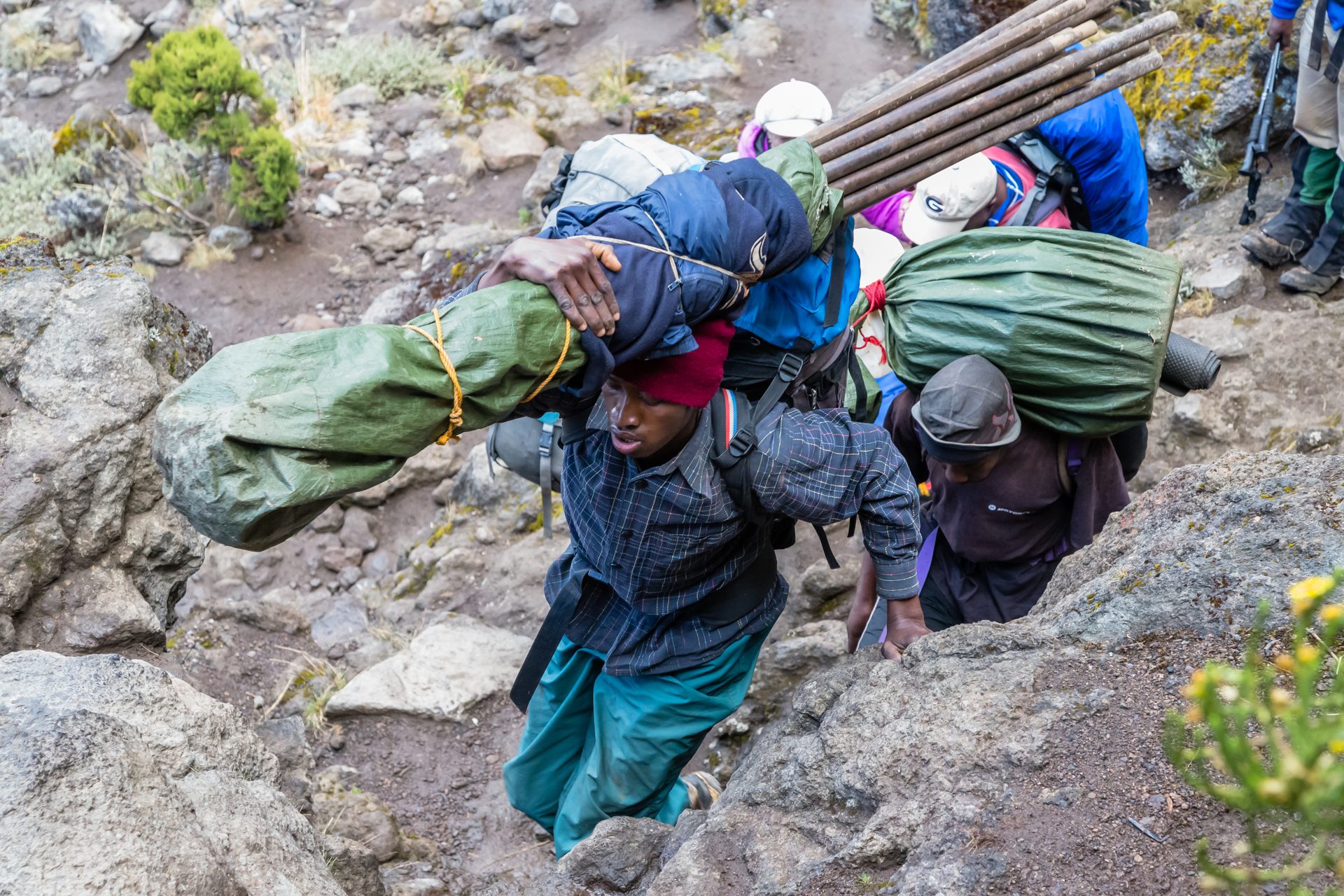
A typical climb for two needs a lead guide, an assistant guide, a cook and around eight porters. They deserve fair treatment, and it shows in the care they give.
- Wages agreed in advance and paid within two days of coming down
- Client loads of no more than 20 kg per porter, weighed at the gate
- Three meals a day, proper sleeping tents and warm, waterproof kit
- Tips shared openly between the whole crew, with guidance for guests
- Guides trained in wilderness first aid; oxygen and pulse oximeter carried on every climb
Thinking about the climb?
Tell us when you'd like to go and how much hiking you've done. We'll suggest a route and send a clear, all-inclusive price.